News

My Year In Review

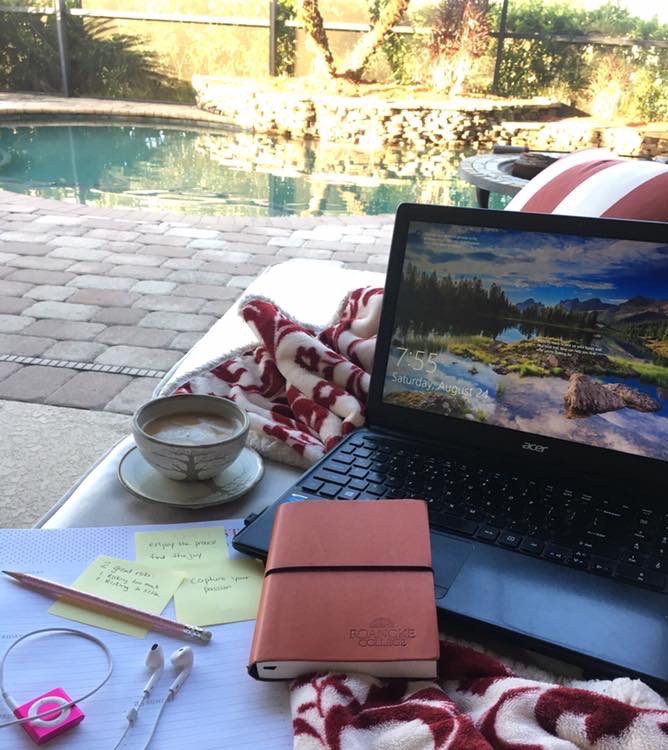
What an amazing year! Each December, I take time to reflect over my year and the goals I set for myself the previous December. I always find that taking time to reflect helps me determine if my goals were on target, and it helps me figure out my steps for the next year. The biggest part of this though is a celebration. A celebration of what I did, learned, and accomplished.

So here’s my year in review:

Writer

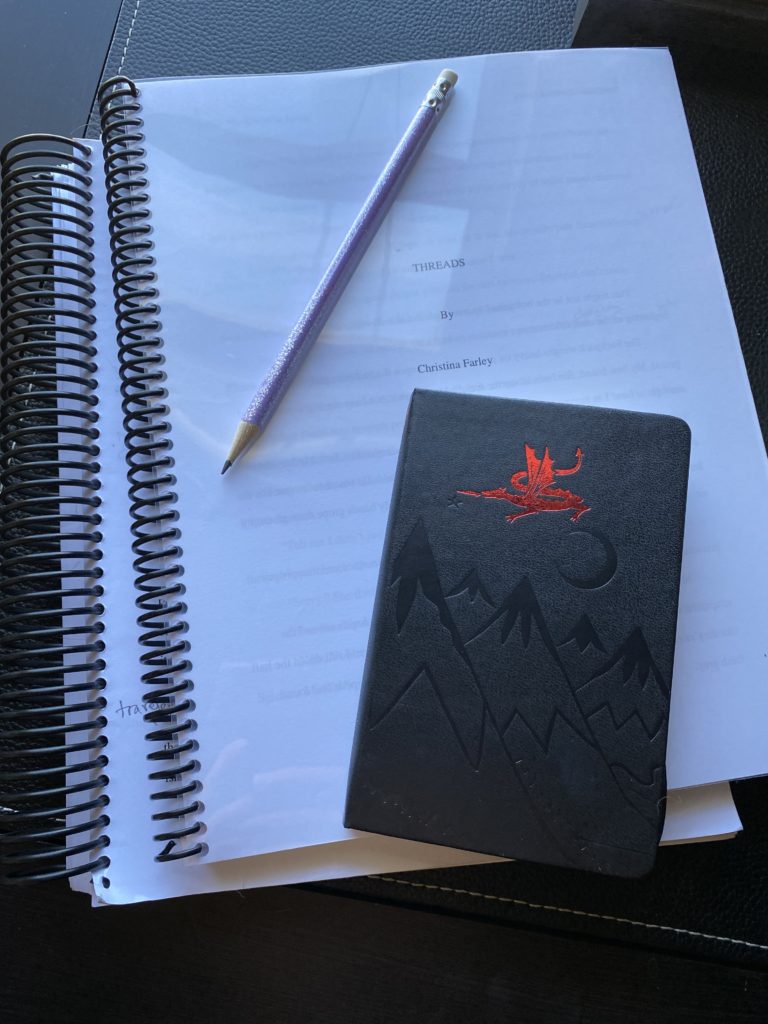
  • Finished writing my young adult historical fantasy. This is in the final revision stages with my agent. (This book required a massive amount of research and is going on its 3rd year of work.)
  • Finished writing and revising my middle grade mystery/adventure. This book took me way longer to write (2 years!) than I expected, but I’m so pleased with the result.
  • Drafted over half of a new young adult contemporary. This has been a fun book to write.

Author/Speaker

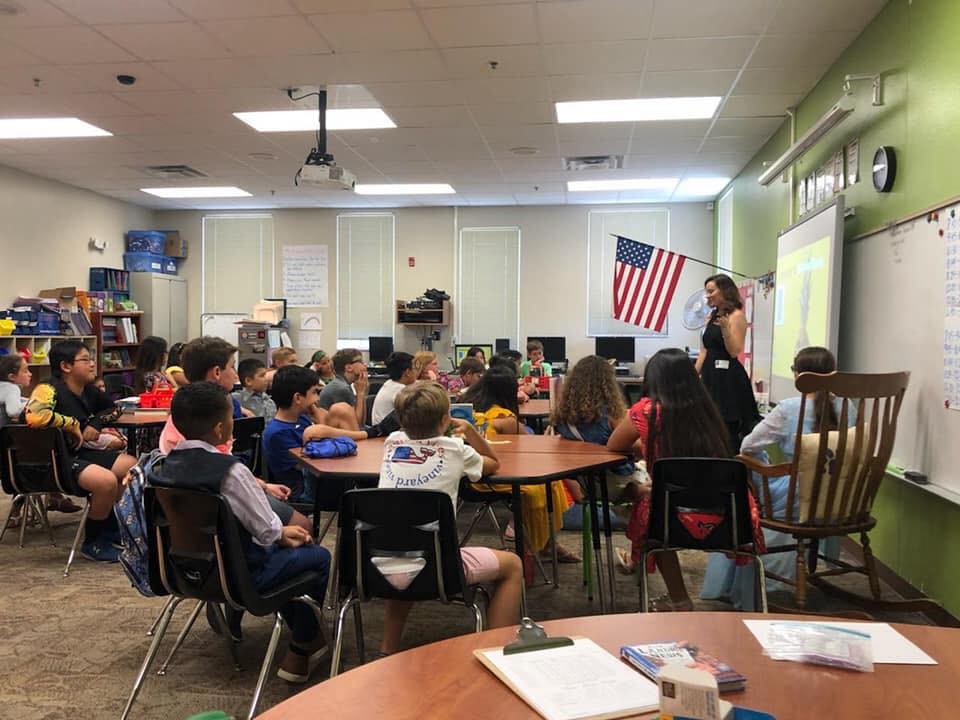
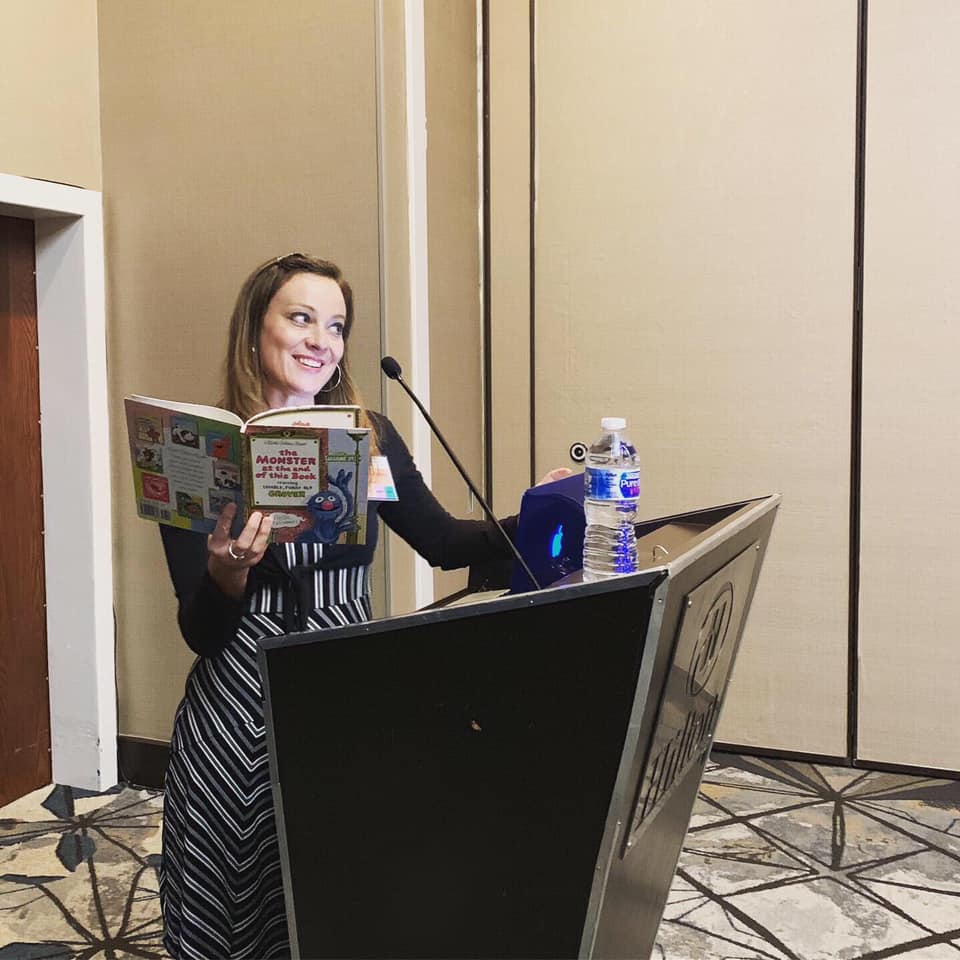
I was thrilled to speak and teach at:

  • OCLS Writers Conference
  • SCBWI Workshop
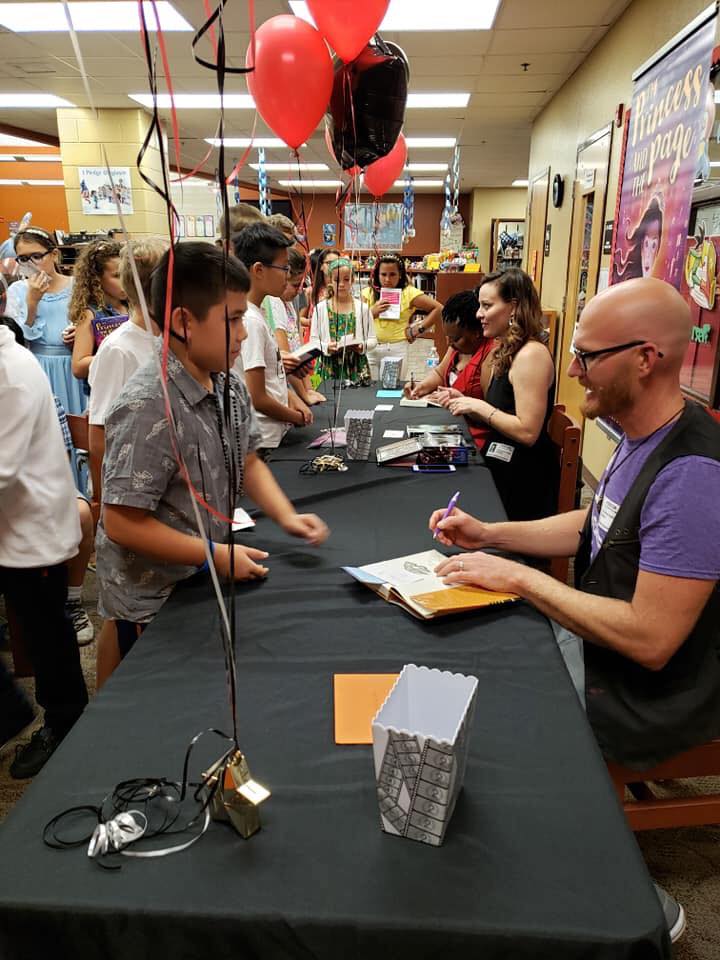
  • Trinity Prep Author Festival
  • Winter Park Book Festival
  • Cape Coral Literacy Festival
  • OCPS Battle of the Books-Judge/Speaker
  • Lit Mag Judging
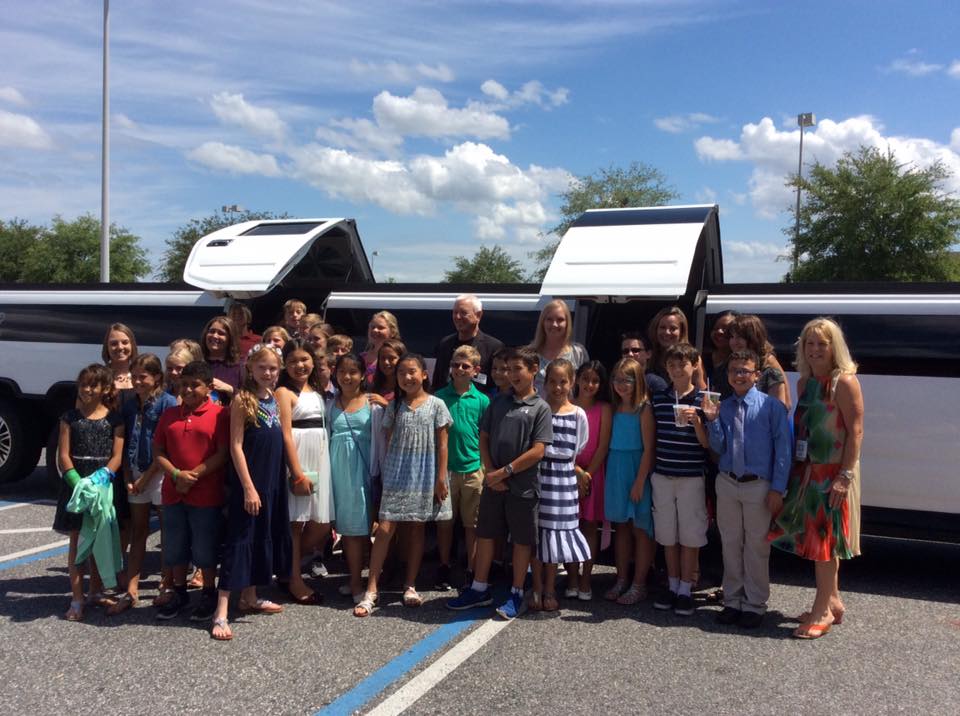
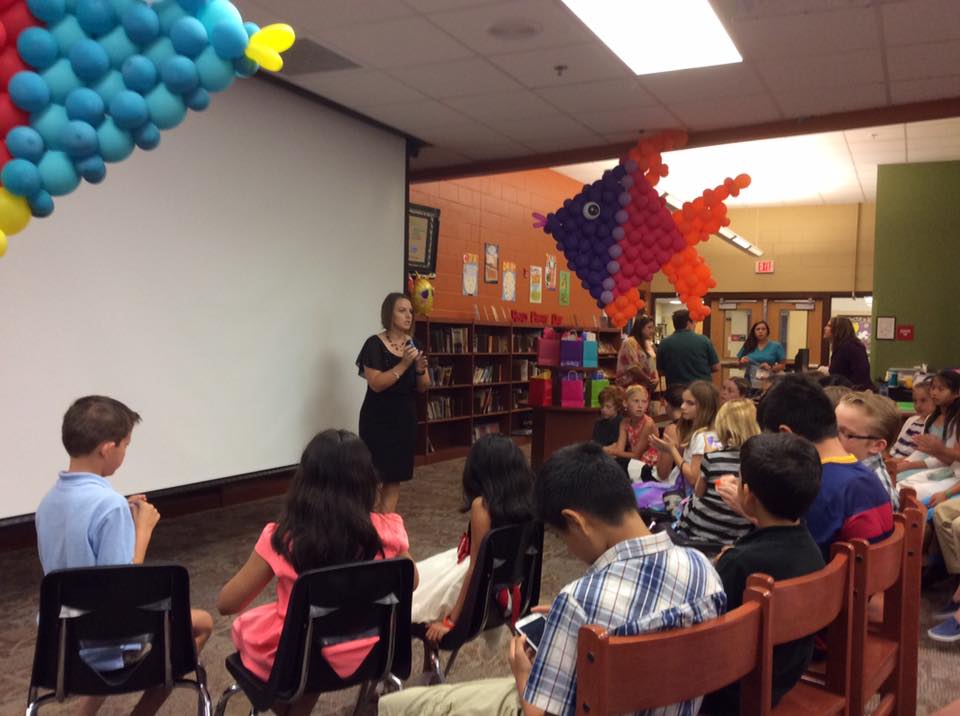
  • Keene’s Crossing’s Sunshine State party
  • Oasis 30 Con
  • Page 15 Young Writer’s Camp
  • Florida Writers Conference

Reader

I’ve lost track of how many books I read, but it was a LOT. I decided for next year, I really need to add the books I read to my Goodreads page so I can keep better track. I did expand my reading list to include adult books and graphic novels in addition to my young adult and middle grade stacks.

Traveler

As a family we headed out to:

  • The Florida Keys—I’m obsessed with lighthouses so we stopped at a number of these along the way. I definitely want to use some things here for a book. I took plenty of video and pictures.
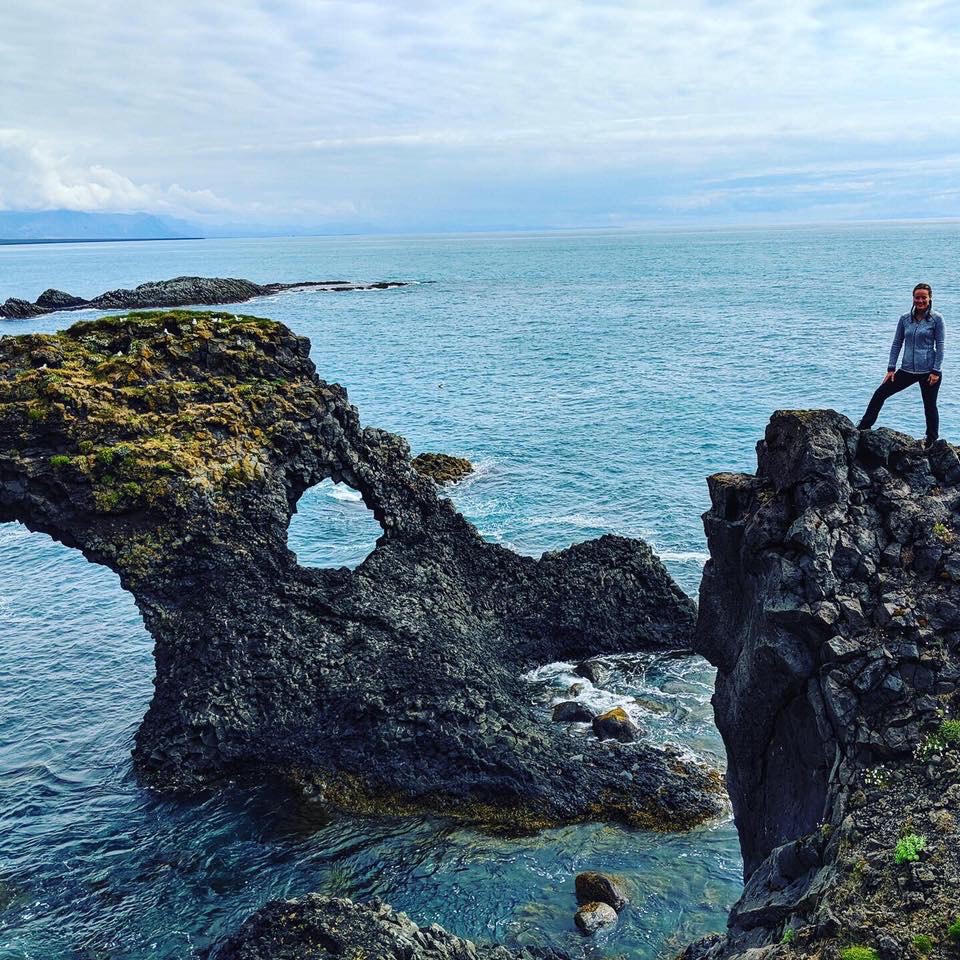
  • Iceland—I fell in love with Iceland! The untouched beauty amazed me. It reminded me so much of New Zealand, and I’d really like to use a lot of its setting elements in the contemporary fantasy that I’d like to tackle someday.

Blogger

I started a new series on my blog called Teach and Write. It has been far more successful than I’d been expecting, drawing a huge readership. I’m thrilled to be able to help so many teachers and media specialists with tips and ideas for their classrooms and media centers. Also thank you to all of the authors, teachers, and media specialists who contributed. I’d love to continue this series into next year!

Check out these popular posts:

Bookflix. It’s better than Netflix

How to Run a Literacy Scavenger Hunt

Using FlipGrid to Connect with Authors

Tying Emotions to the Senses with Elle Cosimano

Hot to Put on a Killer Book Festival

The What If & Revision with Amy Christine Parker

Found Poems with Rebecca Behrens

Professional Writer

I work as an Engagement Writer for FLVS so I’m constantly being pushed to try out new mediums of writing that I’ve never done before.

Projects I worked on:

  • Video scripts
  • Graphic novel style storybooks
  • Picture books
  • Non-fiction stories
  • Fiction pieces

Learner

I’m a believer that one never stops learning. So this year, I took 7 Masterclasses, which were full of all sorts of nuggets of wisdom and inspiration for my career as a writer.

I can’t wait to see what next year will bring!

“Imagination sees the things that are invisible,” Olafur Eliassan

Insider Peek on Literacy YouTuber MrsReadForFun

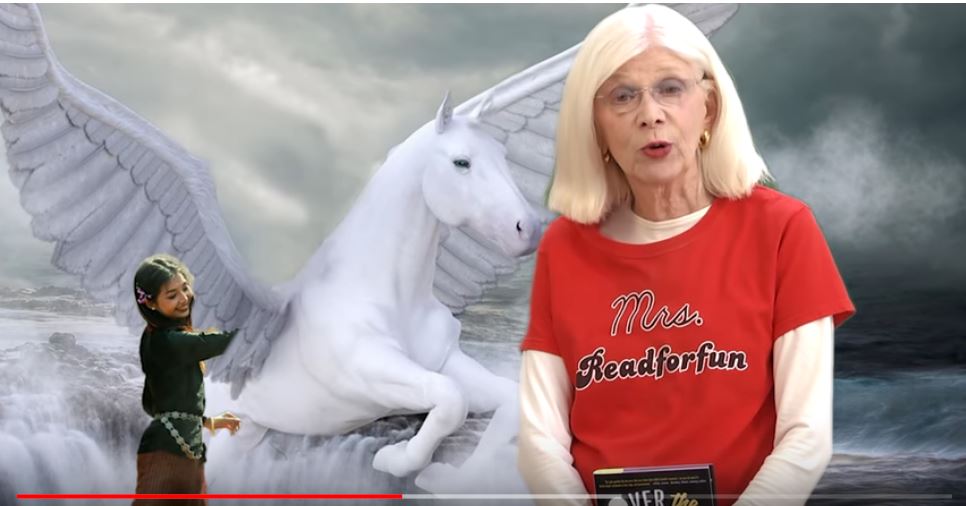
When I came across MrsReadForFun’s YouTube channel, I fell in love with her videos highlighting various books for kids. I chatted with her about her channel. I thought you’d love to hear her insider peek on how she runs her channel.

What inspired you to create your MrsReadForFun YouTube channel?

My son, a screenwriter, who knew about my passion for children’s books, came up with the idea.  His exact words were “Mom, one minute cliffhanger video reviews of your favorite books that are posted on your own YouTube channel.”

How do you create content? 

I look for books that I know will develop a passion for reading in each child. These will be books by Newbery winners, New York Times best selling authors, and new authors.  After reading each book, I write my review. I am blessed with a creative videographer who films me and inserts outstanding graphics and music.

What are some ways students, parents, and educators can use your videos?

My videos are a terrific resource to learn about outstanding books. Check out the video Dragonfell by Sarah Prineas!


About MrsReadForFun: 

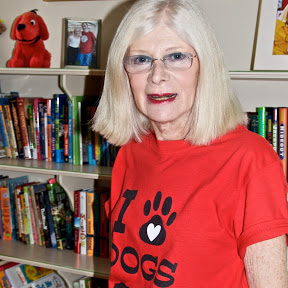
Shendel Haimes was a reading specialist for Montgomery County Public Schools, Maryland for 30 years and a reading specialist for a private school in Irvine, CA for 5 years. She has a M.A. in Education with specialization in reading from NYU.

Website: https://www.mrsreadforfun.com

Facebook: https://www.facebook.com/mrsreadforfun/

Twitter: https://twitter.com/mrsreadforfun

Instagram: https://www.instagram.com/mrsreadforfun/

What’s On Your Playlist? With Rebecca Petruck

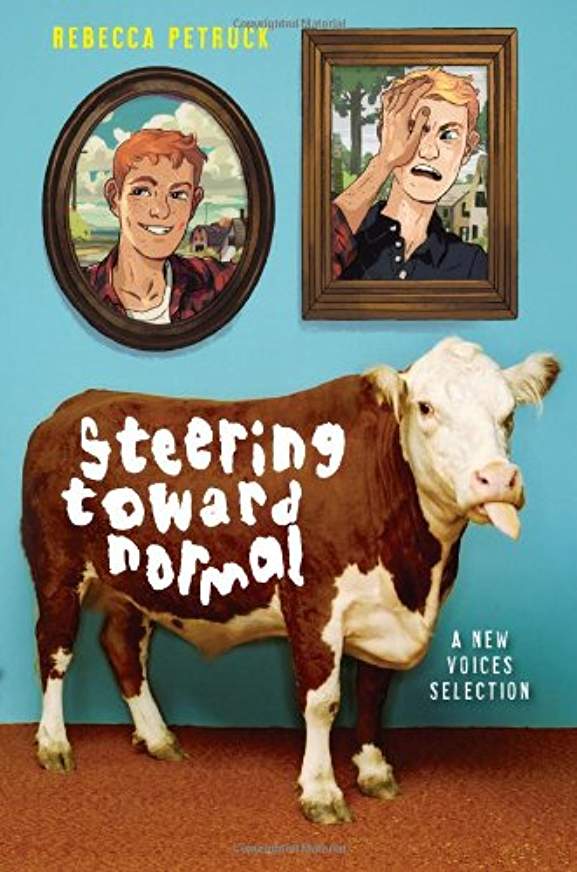
I’m a sucker for playlists. I have one for brainstorming, one for revising, and another for drafting. It’s fun and it helps motivate me as I write my books. That’s why I’m excited to have Rebecca Petruck, author of Steering Toward Normal and Boy Bites Bug along with Debra Rook and Molli Rose, the creators of the guide, share how to get into a character’s head by creating a playlist for them.

Character Playlist Activity

Create a character playlist for music or videos for five different characters from a novel of your choice.

  1. Each character’s play list must consist of five songs by title and artist or videos by title and main characters.
  2. Select three songs or videos from one character’s playlist. Use the guide to explain the reasons why you connect that character to the songs or videos you chose. If completing a song playlist, supply a description of the song and a section of the lyrics along with a justification for each song.
  3. Use textual evidence to support your assigning the song to the character. For example, if you choose a song for Diggy from Steering Toward Normal, you must explain why Diggy would connect to that song. You must use an example or quotation from the novel to support your answer.
  4. If completing a video playlist, supply descriptions of the main characters and basic video premises along with justification and textual evidence to support your assigning the video to the character. For example, if you choose a television show for Wayne
    from Steering Toward Normal, you must explain why Wayne would watch the show or connect to a certain character.
  5. Don’t forget to use an example or quotation from the novel to support your answer.

Check out the Steering Toward Normal teacher guide here for a complete resource.

Authors: Showcase a reading skill through your novel or a tip that develops writing skills. Click here to fill out the form.

Teachers/Media Specialists: Do you have an inspirational story, survival tip, organizational tip, engaging material, or a way to connect with students? If so click here to sign up.

Book Scavenger Book Swap with Jennifer Bertman

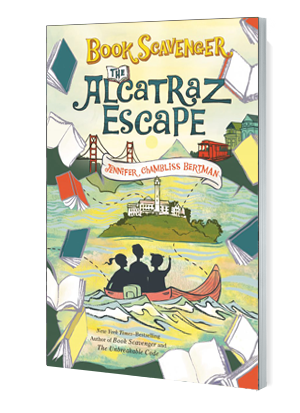
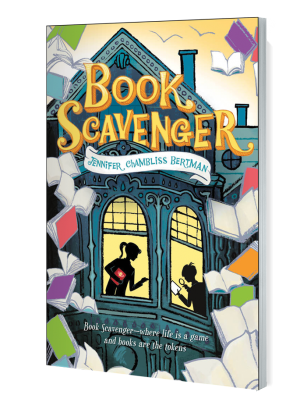
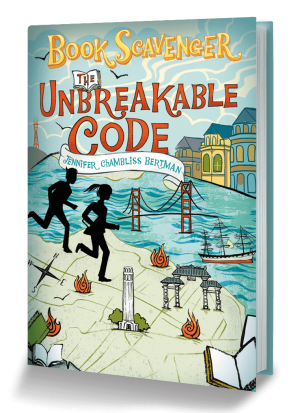
As a book fanatic, I fell in love with Jennifer Bertman’s Book Scavenger series. Reading, hunting and discovering clues in books? Sign me up! That’s why I love Jennifer’s creation of the Book Scavenger Book Swap. This hunt can be done in a classroom or even as a schoolwide project. It’s an incredible way to get kids excited about reading and books.

Book Scavenger Book Swap

How to Hunt:

After reading the novel as a class or as a read-aloud, prepare for a scavenger hunt book swap with these easy steps:

1. Have students bring in a paperback book they’d like to trade. (If the scavenging is to include the outdoors, consider using zipped plastic bags to keep out moisture.) Students should write the title on a sticky note.

2. Hide books around the classroom (students can do so one at a time as they come in from lunch or recess while the other students read silently in the hallway with independent books and wait their turn).

3. Create codes and ciphers using examples from Book Scavenger and The Unbreakable Code for ideas/as mentor texts, and add to the sticky note with the book title.

4. Put all the codes on a bulletin board for kids to choose.

5. Have fun deciphering the codes and finding fresh reading material!

6. Watch out! Kids will likely want to play again and again.

Check out her full teacher guide here and check out http://bookscavenger.com/ for more book fun. Follow Jennifer on Twitter here.

Authors: Showcase a reading skill through your novel or a tip that develops writing skills. Click here to fill out the form.

Teachers/Media Specialists: Do you have an inspirational story, survival tip, organizational tip, engaging material, or a way to connect with students? If so click here to sign up.

CREDIBLE OR SKETCHY? with Dianne Salerni

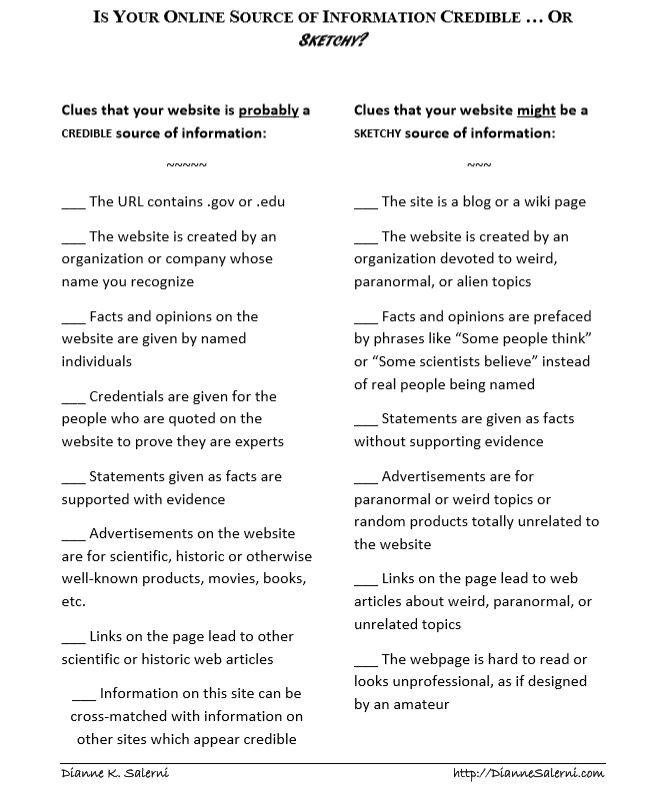
Sometimes it’s hard to know if your online sources are the real deal or made up nonsense. Today, Dianne Salerni, author of numerous books, including The Eighth Day series, is here sharing with us a fantastic checklist to use when researching. This can help us determine if the information is credible or sketchy.

Checklist: Credible or Sketchy?

For more great ideas, check out her teaching guide for The Eighth Day. Follow her on Twitter here.

Authors: Showcase a reading skill through your novel or a tip that develops writing skills. Click here to fill out the form.

Teachers/Media Specialists: Do you have an inspirational story, survival tip, organizational tip, engaging material, or a way to connect with students? If so click here to sign up.

Using Pinterest with Kerry O’Malley Cerra

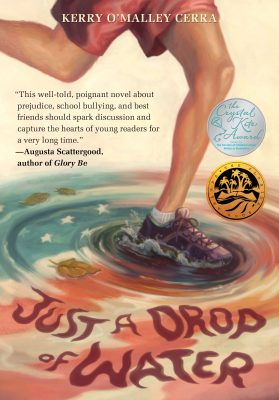
Using technology is a great way to get students excited about reading and encourages them to connect with books. Author Kerry O’Malley Cerra of Just A Drop of Water has a great way to use Pinterest to engage students.

Using Pinterest Writing Activity

Pinterest is a great tool to show visually what a story is about. It’s also a great way for your visual learners to connect with a book.

  1. Create a classroom Pinterest board (can be done on a bulletin board in the room if you prefer not to have kids go online) or have students create individual boards on a book they are reading.
  2. Students add character photos, icons (such as the medal in Just a Drop of Water), the settings, and images that relate to plot and theme.

Teachers/Media Specialists: Do you have an inspirational story, survival tip, organizational tip, engaging material, or a way to connect with students? If so click here to sign up.

Authors: Showcase a reading skill through your novel or a tip that develops writing skills. Click here to fill out the form.

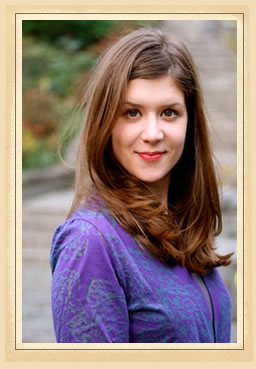
Found Poems with Rebecca Behrens

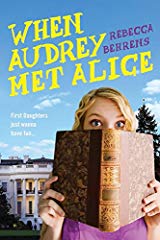
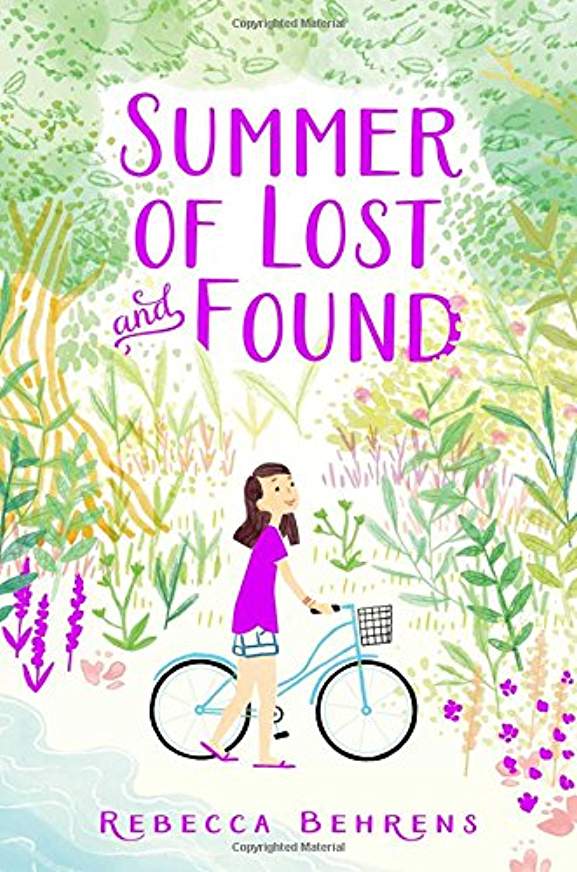
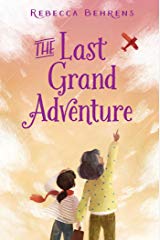
I’m so excited because today we’re going to look at how to create Found Poems with Rebecca Behrens, author of Summer of Lost and Found, When Audrey Met Alice, and the Last Grand Adventure. Why create Found Poems? Rebecca believes they help us understand what is happening in a story or book to help find the theme.

How to Create Found Poems

Found Poems is a creative way to reinforce the meaning of key vocabulary words and ideas and to explore a literary work’s theme(s).

1. Each individual student chooses and writes down at least ten words, phrases, and quotations from their book such as Summer of Lost and Found. Students should cite this textual evidence with page numbers from the text, although citations will not appear in Found Poems.

2. Organize those ten words, phrases, and quotations into an outline of a Found Poem. For this and each subsequent step students could work individually, or could engage in a collaborative discussion with a partner or a small group to “share” or “trade” words, phrases, and quotations and then to organize them. Ideally, Found Poems will be tied to key words and important ideas in the text.

3. Return to the text and collect additional words to fill in gaps in the outlined poem that they just wrote. Remember, in Found Poems students can only use words that come from the text!

4. Resume and finish writing their Found Poems about Summer of Lost and Found.

5. Students share their Found Poems with the class. Students may do so by volunteering to read their Found Poems to the whole class, or sharing them with another student. Another option for sharing is to ask all students to write their Found Poems on large posters, which can be hung up throughout the classroom. Afterward, students can walk around between Found Poems as if in a gallery.

6. Through reflection and paraphrasing, students review the key words and important ideas expressed in the shared Found Poems. In doing so, students are able to identify a literary work’s theme(s). Students may do so through oral discussion or written reflection.

The activities contained in this section particularly address the Common Core State Standards: (RL.4– 7.1, 2, 4) (SL.4–7.1) and can be found along with more resources in this Educator Guide. 

Teachers/Media Specialists: Do you have an inspirational story, survival tip, organizational tip, engaging material, or a way to connect with students? If so click here to sign up.

Authors: Showcase a reading skill through your novel or a tip that develops writing skills. Click here to fill out the form. 

How to Raise Funds to Host an Author Event or Book Festival

Nothing makes teachers and librarians happier than to get their students excited about books. Last week, we got to learn how to put on an incredible book festival with Reba Gordan and Georgia Parker. But how do we make those dreams become a reality. Jamie Ayres, author and high school English teacher at Cape Coral High, has answers for you. She put on her own book festival and not only did she get 12 authors to come to her school, she raised $6000 to purchase books for her students. Today she’s here to give you tips on how to put the funds to your dreams.

Tell us about the Cape Coral Festival and the inspiration behind it.

Back in 2014, I did my first school visit as an author after my first book, 18 Things, was published. A month later, I received all sorts of letters from students who said my book was the first they’d read for fun and wanting to know what kind of books I’d recommend. I realized reluctant readers might pick up a book if they had the chance to make a personal connection with the author. The next school year I planned author visits at my school and then expanded it to a festival once more resources became available.

This year we hosted events each class period in our auditorium. Author Teshelle Combs was our opening keynote speaker, then we hosted two different panels of five authors with each panel lasting 30 minutes, and then Lynne Matson was our closing keynote. At noon, all the authors and students moved to the football field for the outdoor festival. Students participated in a scavenger hunt which includes interacting with the authors and other games/activities. The more points the students earned through their scavenger hunt, the more entries they received for prizes such as Starbucks gift cards. We had 40 gift cards for prizes! 

You raised $6000 in books to give out to students and brought in 12 authors. That’s incredible! How did you make this possible? 

We received $5,000 in grants from The Foundation for Lee County Public Schools, a non-profit charitable education foundation which enhances and enriches the quality of public education in Lee County for students and educators through programs, resources and experiences made possible through corporate, individual and educational partnerships. We also received a $1,500 grant from Kiwanis Club of Cape Coral to purchase books by these authors. This is our third year hosting the festival and every year the grants are harder to attain because educational grant funds continue to be cut and competition has increased as the word gets out. In the past, we’ve also received grants through Dollar General, Target, Florida’s Suncoast Credit Union, and our local Chamber of Commerce. All twelve authors donate their time for the day; they are as excited as the students to talk about the power of books! And I think the fact that they’re guaranteed sales through our grants helps our cause too! 

When writing grants, do you have any advice for teachers and media specialists? 

Do your research! You could also reach out to your Grants department at your school district to see what’s available locally. It’s always easier to get local grants versus the big national grants because there’s less competition for those funds. Of course, the grants are also smaller. Some people may think the paperwork isn’t worth the time for just a $100 grant, but every little bit adds up! Each grant is unique with their paperwork, so unfortunately there’s  no template to start with.

One thing I plan on doing for next year’s festival is writing a grant on DonorsChoose.org, which supports classrooms all over the US. I’ve already utilized that site twice to fund my Classroom Small Group Book Clubs and both were funded successfully. My one word of advice is to start early! I just wrapped our festival on March 14th, but my work isn’t over. Now I’m wrapping up my reports from that festival and applying for grants for next year’s event. Sometimes it takes up to six months to hear if you received a grant. 

About Jamie Ayres

Jamie Ayres writes young adult coming of age stories by night and teaches young adults as a high school English teacher by day. When not at home on her laptop or at school, she can often be found at a local book store grabbing random children and reading to them. So far, she has not been arrested for this. Originally from Michigan, she now resides in Florida with her prince charming and two daughters. She loves lazy pajama days, the first page of a good book, stupid funny movies, and sharing stories with fantastic people like you. Her books include the three novels in her trilogy, 18 Things, 18 Truths, and 18 Thoughts. Visit her online via Twitter or Facebook.

Authors: Showcase a reading skill through your novel or a tip that develops writing skills. Click here to fill out the form.

Teachers/Media Specialists: Do you have an inspirational story, survival tip, organizational tip, engaging material, or a way to connect with students? If so click here to sign up.

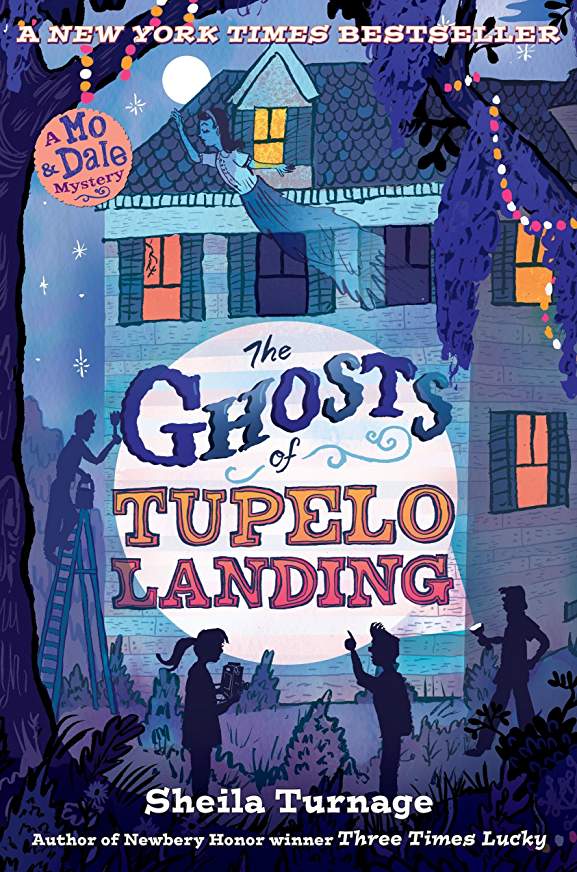
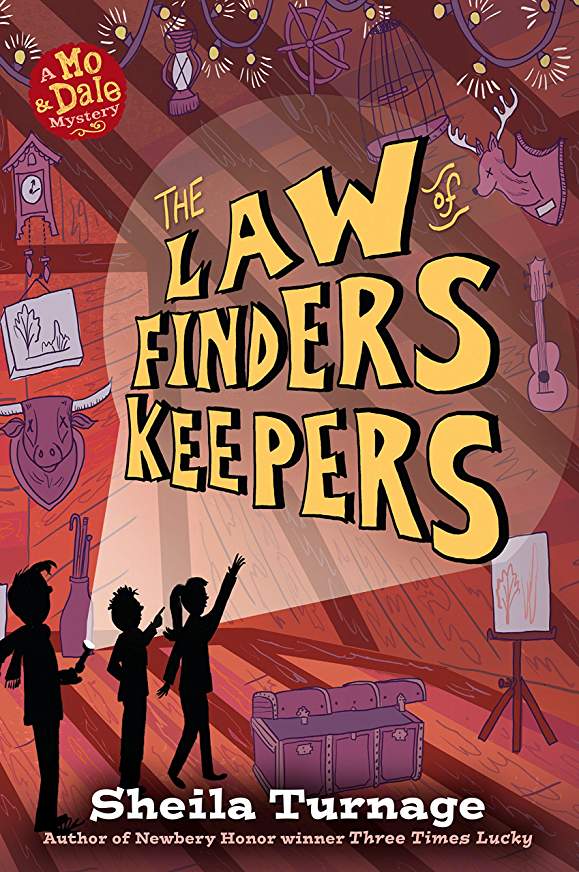
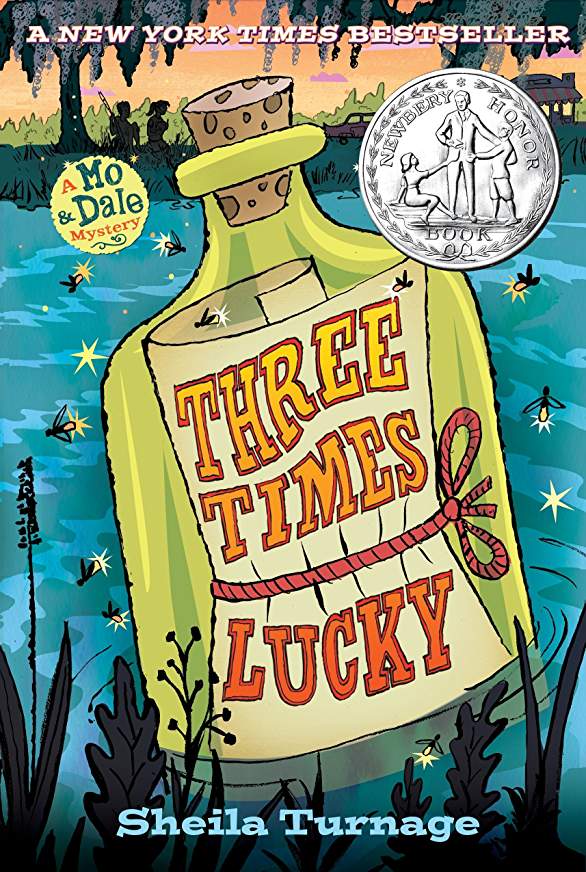
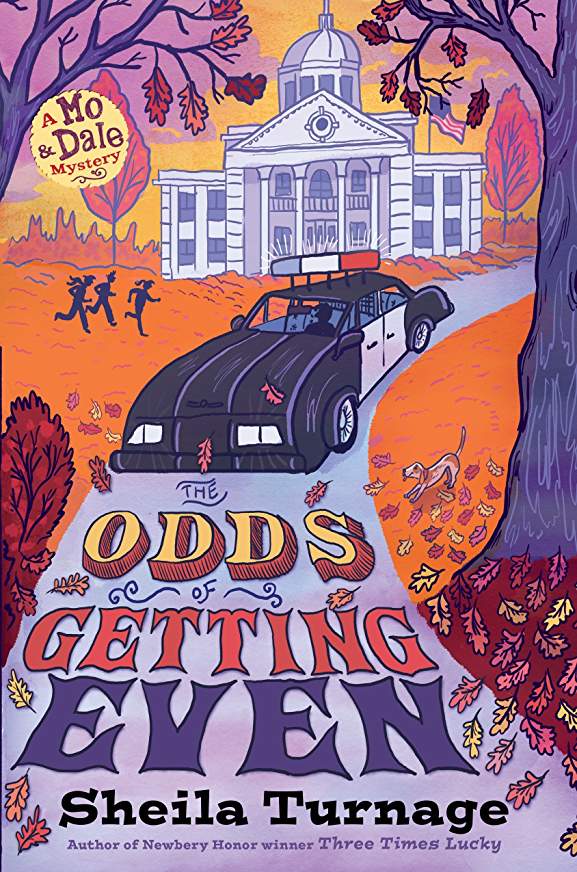
Mad for Mad Libs with Sheila Turnage

Mad libs are so much fun, especially when Newberry honor, Sheila Turnage, is involved. She is the author of two nonfiction books, one picture book, and four middle-grade novels. Today Sheila is here to have a little writing fun with us by playing Mad Libs.

How Does It Work?

In groups of four, have students write a short summary of one of the chapters they have already read.

  1. After the teacher has approved the summaries, the students will erase at least 10 words and replace them with blank lines.
  2. Underneath each line, students should write the part of speech of the missing word.
  3. Groups will trade summaries and play Mad Libs.
  4. Students may read them aloud to class.

Integrate this activity with technology! Use this site to generate Mad Libs on the computer. Most importantly, have fun with writing!

Authors: Showcase a reading skill through your novel or a tip that develops writing skills. Click here to fill out the form.

Teachers/Media Specialists: Do you have an inspirational story, survival tip, organizational tip, engaging material, or a way to connect with students? If so click here to sign up.

How to Put on a Killer Book Festival

One of my favorite book festivals I’ve attended is the Trinity Prep Author Festival organized by Reba Gordan and Georgia Parker.
The TPS Author Festival has become an anticipated event in Central Florida! Not only do these ladies know how to get a school and community pumped up about books, but they know how to make it just pure fun. After attending the 4th annual festival this past February, I reached out to these super stars, asking if they could share with you tips and tricks on how you can put on an author book festival at your school or community.

What inspired you to create this event and open it up to the public?

Georgia: Our inspiration came from YALLFest a huge author festival in Charleston, SC. Four years ago we took a group of 30 students who bought books, met with as many as 60 authors, and attended panels on publishing, writing, and the varying approaches to both. The students were so inspired to read and actually enthused to try their hand at writing that we wanted to bring something similar to our school.

Reba: We realized that nothing provided the same sort of inspiration as meeting authors in person for our students. Something magical happened when the kids met the authors, and we wanted to bring that magic back to Trinity.

What are some first steps you would recommend to someone who would like to start up a book festival themselves?

Georgia: I would suggest attending a festival to get a feel for the flow. Take notes on what you like and don’t like and start out small. Find authors that are local and are willing to share their time and talents.

Reba: I agree with Georgia, especially about finding local authors. I know we wouldn’t be where we are today without the support and participation of the OG YA Glitterati! I’ve also met authors over the past four years who are dumbfounded when their community does not reach out to them as a resource. And use social media! We’ve gotten quite a few authors to join our festival through Twitter engagement.

What is one tip or piece of advice you have to get students excited about literacy and come to an event such as this festival? You had a huge crowd!

Georgia: I don’t know that it’s one thing but a compilation of several. We post what we are reading and book talk constantly. In my English classes I often create a grammar exercises based on teasers to books I have recently finished reading.

Reba: Model what you expect! I love talking about the books I’ve read, and the kids know that I look to them for recommendations, too. We are also lucky to have a very supportive English department and administration. The English teachers promote the Fest in their classes, and some of them even incorporate it into their curriculum through extra credit “scavenger hunts.”

About These Super Stars

Georgia Parker teaches 8th Grade English and Young Adult Literature at Trinity Preparatory School. She has taught English in grades 6-9 at various times in her 27 year career. In 2006 she won the Ellis Award for Excellence in Teaching, in 2009 she was designated an eInstruction Classroom Champion, and in 2013 she was awarded a DeWitt B. & Vera M. Hooker Fellowship Grant. She has presented several times at the Florida Council of Independent School’s yearly conference in the state of Florida. She has also shared presentations on the national level at the Lausanne Learning Institute, Florida Educational Technology Conference, Association for Supervision and Curriculum Development, Assembly on Adolescent Literature, International Reading Association, Association of Independent School Librarians, and the National Council for the Teachers of English.  In 2012 she had an article on the importance of promoting the love of reading published in The ALAN Review, and in 2015 she had a book review published in The ALAN Review. During 2017 and 2018 she was a contributing writer for the Teach Write blog. In 2019 she began hosting a monthly author Twitter chat for ALAN that takes place at 7 p.m. on the last Thursday of each month.

She is a member of the National Council of English Teachers, the Assembly on Adolescent Literature, and Delta Kappa Gamma, an International Society of Women Educators. She is an advocate of YA Literature,  is Co-Director of the Trinity Prep Author Festival, and holds the Diane and Michael Maher Endowed Chair of English.

Reba Gordon has worked as a librarian for over 19 years with experience at the elementary, middle, and high school levels. Her current role as the Director of the Rich Library at Trinity Preparatory School allows her to teach research skills, promote reading for pleasure, and help students find the information they need to complete their studies. Reba has her B.A. from Vassar College and a Masters of Information and Library Science, along with being an Archivist.  Along with colleague Georgia Parker, she is instrumental in bringing a YA and Middle Grade Author Festival to Trinity Prep for the past four years, and coordinates numbers author visits throughout the year. She is a guest blogger with AISL. Reba’s recent conference presentations include FAME, NCTE, AWP, FETC, FCIS, and AISL.

Teachers/Media Specialists: Do you have an inspirational story, survival tip, organizational tip, engaging material, or a way to connect with students? If so click here to sign up.

Authors: Showcase a reading skill through your novel or a tip that develops writing skills. Click here to fill out the form.

Archives

Categories