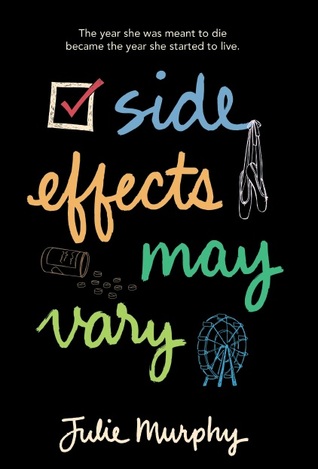
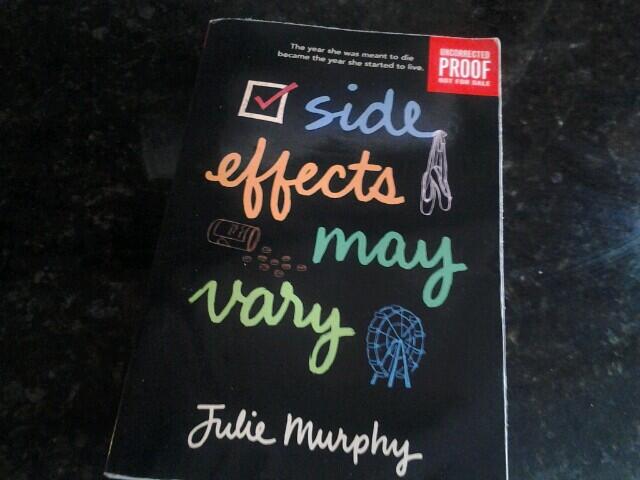
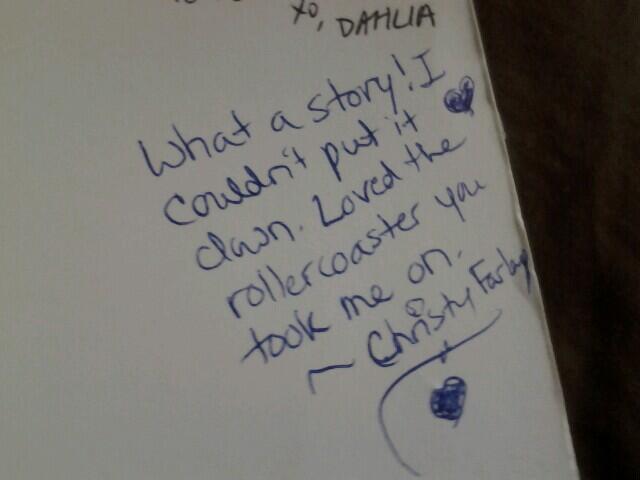
I was super excited to get SIDE EFFECTS MAY VARY by Julie Murphy. This is a OneFour KidLit ARC, and it arrive in the mail yesterday via Dahlia Adler. This book is currently on ‘tour’, visiting OneFour authors around the globe. Think of it like a yearbook. We read the book, write love notes in the margins, and then sign the back before passing it onto the next OneFour author.
The Blurb from Goodreads:
What if you’d been living your life as if you were dying—only to find out that you had your whole future ahead of you?
When sixteen-year-old Alice is diagnosed with leukemia, her prognosis is grim. To maximize the time she does have, she vows to spend her final months righting wrongs—however she sees fit. She convinces her friend Harvey, whom she knows has always had feelings for her, to help her with a crazy bucket list that’s as much about revenge (humiliating her ex-boyfriend and getting back at her arch nemesis) as it is about hope (doing something unexpectedly kind for a stranger and reliving some childhood memories). But just when Alice’s scores are settled, she goes into remission.
Now Alice is forced to face the consequences of all that she’s said and done, as well as her true feelings for Harvey. But has she done irreparable damage to the people around her, and to the one person who matters most?
What I Love About This Book:
I loved the perspective of this book. Alice is such a rich and complex character. She has many facets, and when they are all woven together, she becomes alive and real.
What Makes This Book Unique?
Murphy goes back and forth between the Now and Then of her story, and it allows a rich reading experience.
Why Should You Read it?
I read this book in one night. It was a page turner because I really didn’t know how it would end. And the drama! Lots of drama. I wrote lots of OMG and gasping faces in the margins.
My Favorite Line:
Julie Murphy knows how to write beautiful lines over and over so it’s really hard to come up with just ONE. But this one really hit me hard:
“Because, for me, cancer would always be a shadow I lived in, an addiction that was never quite through with me.”
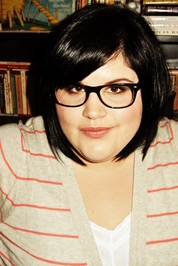
Check out Julie:
On Twitter
Her website
SIDE EFFECTS MAY VARY releases Mar. 18, 2014
And now I’m off to mail this baby to Jennifer Mathieu. I think she’ll like it!