
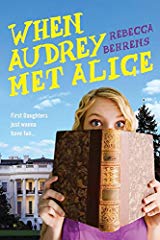
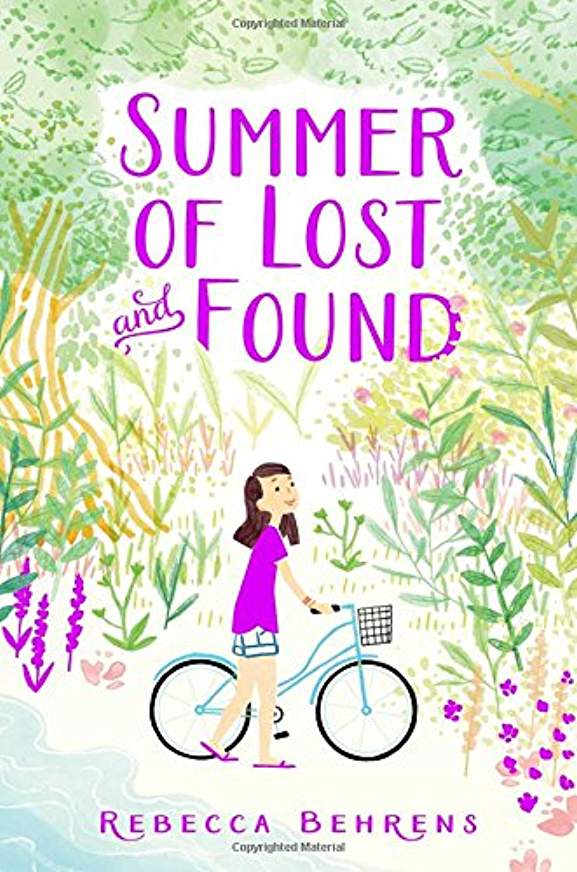
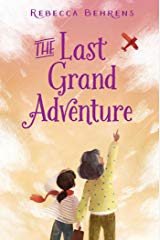
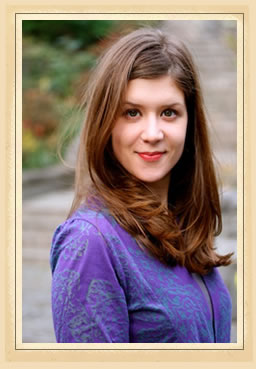
I’m so excited because today we’re going to look at how to create Found Poems with Rebecca Behrens, author of Summer of Lost and Found, When Audrey Met Alice, and the Last Grand Adventure. Why create Found Poems? Rebecca believes they help us understand what is happening in a story or book to help find the theme.
How to Create Found Poems
Found Poems is a creative way to reinforce the meaning of key vocabulary words and ideas and to explore a literary work’s theme(s).
1. Each individual student chooses and writes down at least ten words, phrases, and quotations from their book such as Summer of Lost and Found. Students should cite this textual evidence with page numbers from the text, although citations will not appear in Found Poems.
2. Organize those ten words, phrases, and quotations into an outline of a Found Poem. For this and each subsequent step students could work individually, or could engage in a collaborative discussion with a partner or a small group to “share” or “trade” words, phrases, and quotations and then to organize them. Ideally, Found Poems will be tied to key words and important ideas in the text.
3. Return to the text and collect additional words to fill in gaps in the outlined poem that they just wrote. Remember, in Found Poems students can only use words that come from the text!
4. Resume and finish writing their Found Poems about Summer of Lost and Found.
5. Students share their Found Poems with the class. Students may do so by volunteering to read their Found Poems to the whole class, or sharing them with another student. Another option for sharing is to ask all students to write their Found Poems on large posters, which can be hung up throughout the classroom. Afterward, students can walk around between Found Poems as if in a gallery.
6. Through reflection and paraphrasing, students review the key words and important ideas expressed in the shared Found Poems. In doing so, students are able to identify a literary work’s theme(s). Students may do so through oral discussion or written reflection.
The activities contained in this section particularly address the Common Core State Standards: (RL.4– 7.1, 2, 4) (SL.4–7.1) and can be found along with more resources in this Educator Guide.
Teachers/Media Specialists: Do you have an inspirational story, survival tip, organizational tip, engaging material, or a way to connect with students? If so click here to sign up.
Authors: Showcase a reading skill through your novel or a tip that develops writing skills. Click here to fill out the form.


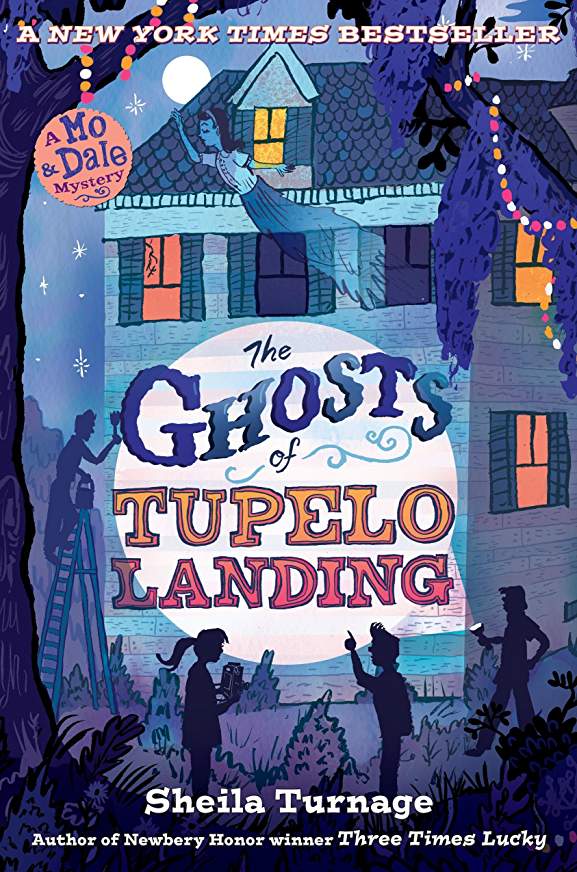
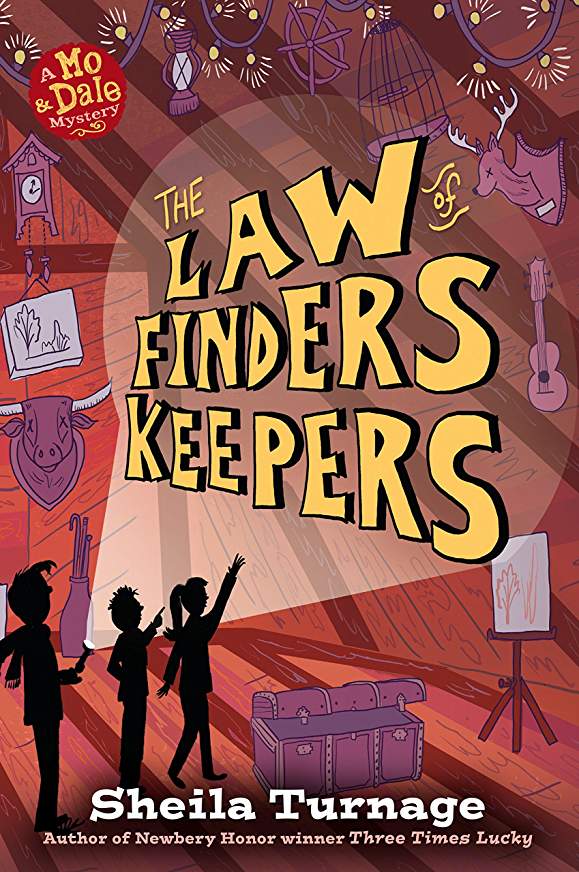
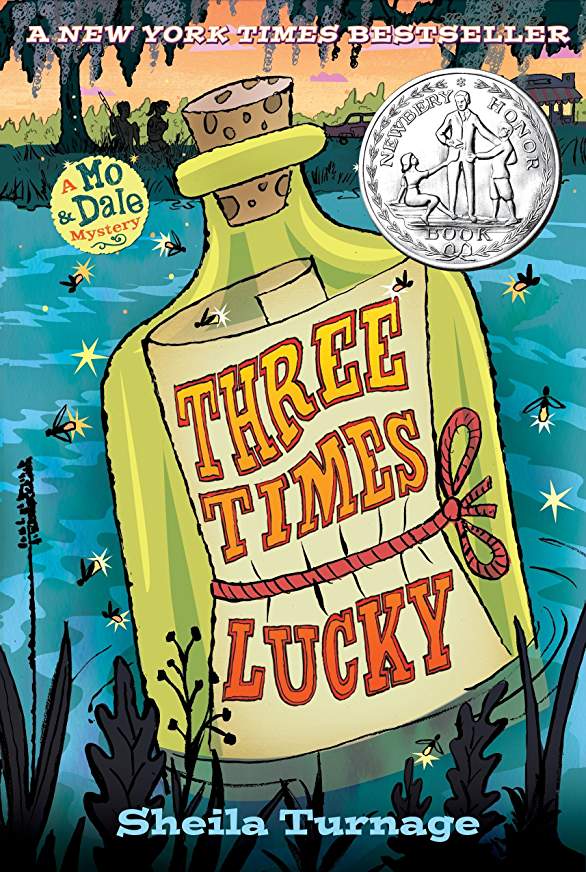



 The author Flipgrid has had an enormous impact on my students and has made them eager to explore novels. They are amazed that published authors take the time to share their books and connect with them on such a personal level. It really does mean the world to them! There is now a remarkable interest in the books written by authors featured in our FlipGrid because they are connecting directly with our children. Students want to try new books and explore new genres because of the author videos. In addition, I have never had so many students recommending books to one another. Students will ask me for a book recommendation and another student jumps right into the conversation with, “Have you watched the flipgrid video on this book?” They have the book in hand and are eager to share with their peers. The author videos just spark a whole new level of excitement in middle school. My fifth graders, a class of eighty-two students, have almost read 1,000 novels this school year thanks to this new project. We talk about, celebrate, and discuss books more than ever, and for middle school students that is a big deal!
 This new project has taught me that stepping out of my comfort zone and trying something new opened up a whole new world for my students as well as myself. The connections I have formed, the books I have learned about, and the students who have found a true love of reading this year, would not have been possible if I did not start this Flipgrid page. When I first started out, I hoped to get one author video because I was not sure how this idea would go over. I quickly learned that most authors were eager to have the chance to connect with students, and they were excited to try to create a video. Currently, the author flipgrid is close to hitting fifty videos! To be honest, I am just as excited when a new author video appears on our grid as the students.


 Have you found it useful to getting teens excited about books?


